


How to Travel Safely with Your Pets in the Car

As pet parents I am sure we are aware that some of our Quadro legged children are of breeds which are unable to travel by air to certain destinations. Some of these breeds which are a part of the brachycephalic breeds are:
Dogs
Boston Terrier
Boxer
Brussels Griffon
Bull Terrier
Bullmastiff
Chow Chow
Dogue de Bordeaux
Dutch Bulldog
English Bulldog
French Bulldog
Japanese Chin
King Charles Spaniel
Mastiff/Old English Mastiff
Neapolitan Mastiff
Pug
Shar Pei
Shih Tzu
Small Brabant Griffon
Stafford Bull Terrier
Tibetan Spaniel
Chinese Pug
Cats
Persian
Himalayan
Burmese
Exotic Shorthair
Just like if we were going to travel with babies and small children; traveling with your fur baby requires careful planning to ensure their safety and comfort while in the car.
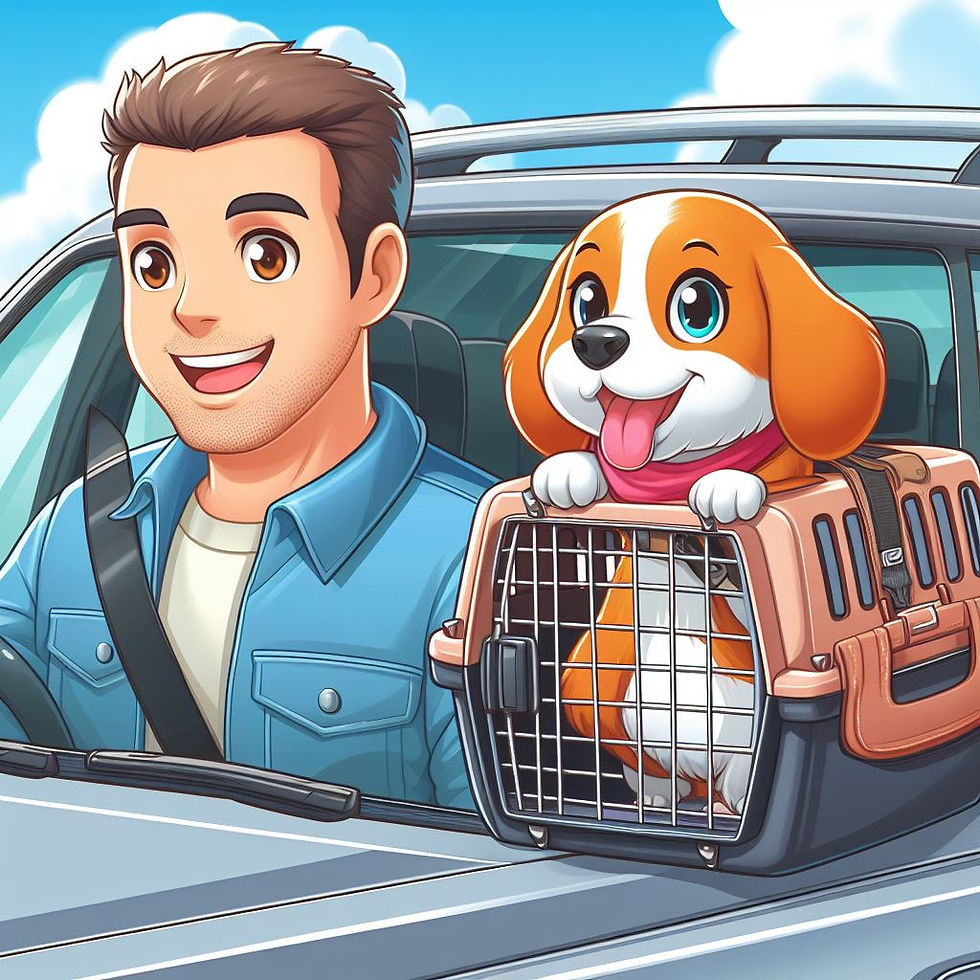
For starters, please use a pet carrier or restraint. You will want to secure your pet in a carrier, crate or with a pet seat belt/harness to prevent them from moving around in the car. Never, ever allow your pet to sit in the front seat of your car! They can become a distraction while driving. Possibly cause an accident by sitting on the dashboard, placing their head between the steering wheel or while sitting on your lap in the driver’s seat they may fall on the floor.
Preparing your car for travel. You will need to prep your car by removing any hazardous object or substances that could harm your pet, such as loose items, sharp objects, or toxic materials. You may also consider using a pet-friendly car seat cover or blanket to protect your seats from scratches, fur or accidents.
Take Regular Breaks. Consider taking regular breaks during your travel to allow your pet to stretch their legs, relieve themselves and stay hydrated. Use designated pet areas or rest stops where your pet can safely walk around on a leash.
Never leave your pet alone especially in extreme temperatures. If you are traveling alone and have to stop for a rest-break please make sure that it’s a pet friendly location so you can take your fur baby with you to the restroom. Please use the same logic as if you were traveling with a small child when traveling with your fur baby. Cars can quickly become too hot or too cold creating a serious health risk for your pet even with the windows cracked open.
Always prepare for emergencies by packing a pet first-aid kit, including any medications your pet may need, along with their food, water, bowls, leash and waste disposal bags. A great idea is to keep your pet’s medical records and identification tags in a clear binder or plastic folder labeled: IN CASE OF EMERGENCIES in your glove compartment. This folder is also good to have on-hand for first responders to view in case of a car accident.
Gradually acclimate your pet. If your pet is not used to traveling in the car; a few weeks before your scheduled trip; you will want to do trial runs with your pet. For example, the first trip might be a trip around the block; observe how your pooch responds. The next trip might be a friendly trip to Pet Smart and back home. The goal you are trying to achieve is to increase your fur babies comfort levels with longer car durations. You will want to observe their behavior, if they are whimpering, appearing antsy, growling then you might want to place their favorite chew toy, blankets or bedding in the back seat with them during the trial run.
Light Meals. The morning of your trip; you may want to avoid feeding your pet a large meal to prevent motion sickness.
Check pet travel regulations. If you are traveling across state or country borders, familiarize yourself with any pet travel requirements or regulations beforehand, such as health certificates, vaccinations, or quarantine procedures.
Please visit AAA for more travel related tips.


Comments